
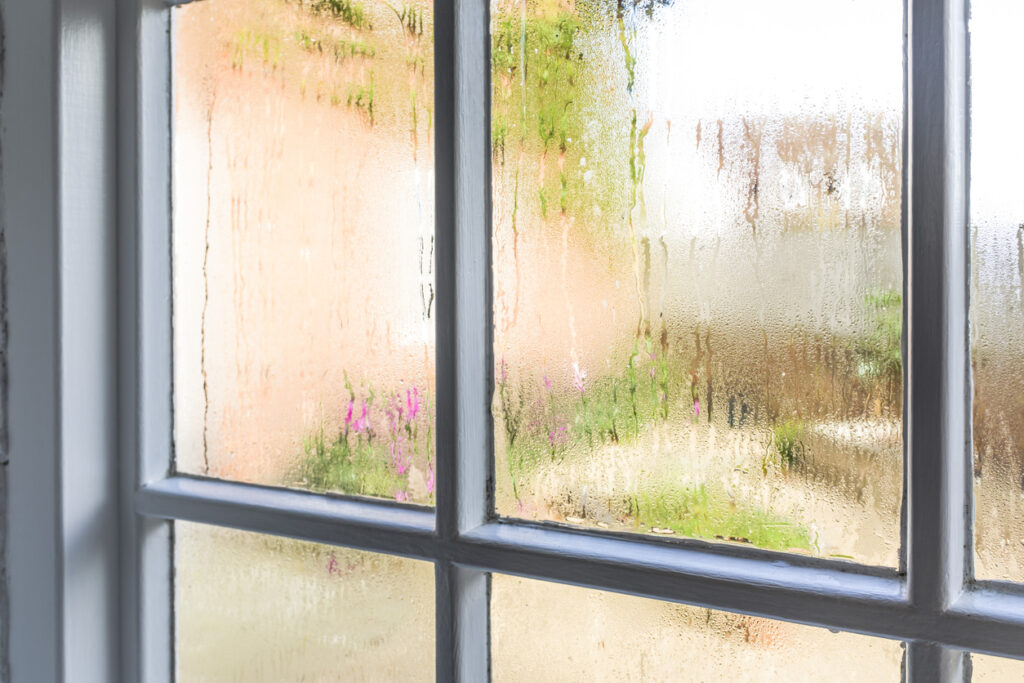
If you have spent a summer in the Roanoke Valley or along the Dan River, you know that the heat is only half of the story. The true hallmark of a Virginia summer is the thick, heavy humidity that seems to settle over Danville and Roanoke from June through September. While we often talk about how this moisture affects our hair or our energy levels, we rarely consider the massive invisible load it places on our air conditioning systems. At Davis Heating, Cooling, Plumbing & Electric, we see the results of this environmental stress every day. In our region, an AC system does not just cool the air; it serves as a massive dehumidifier. This secondary job is grueling, and it is the primary reason why air conditioners in our part of the state often wear out years faster than those in drier climates.
Understanding the relationship between humidity and your HVAC system is essential for any homeowner in Southwest or Southside Virginia. When the relative humidity stays consistently above 60 percent, your air conditioner is forced to work double duty, leading to increased mechanical wear, higher utility bills, and a higher risk of unexpected breakdowns. As we move into the 2026 cooling season, staying ahead of this moisture-related wear is the best way to protect your home investment. This guide explores the technical reasons why our local climate is so tough on AC units and provides actionable steps you can take to ensure your system survives the “sticky” season.
The Physics of Humidity: More Than Just Temperature
To understand why your AC works so hard in Danville or Roanoke, you have to understand the difference between sensible heat and latent heat. Sensible heat is the temperature you see on a standard thermometer. Latent heat is the energy contained in the moisture in the air. In a dry climate, an AC unit only has to remove sensible heat to make you feel comfortable. In Virginia, it has to remove both.
The Double Duty of the Evaporator Coil
- Condensation Generation: As warm, humid air from your home passes over the cold evaporator coil, the moisture in the air condenses into liquid water.
- Energy Diversion: A significant portion of your system’s cooling capacity is diverted away from lowering the temperature just to wring the water out of the air.
- Longer Cycles: Because it takes more energy to remove moisture than it does to lower the temperature, your system must run for much longer cycles to achieve the same level of comfort.
The Toll on Mechanical Components
The longer your air conditioner runs, the faster its components wear out. In the humid Roanoke and Danville markets, it is common for systems to run nearly continuously during a July heatwave. This constant operation places immense strain on the most expensive parts of your unit.
Mechanical Risks of High Humidity
- Compressor Fatigue: The compressor is the heart of your system. Continuous run times lead to overheating and premature mechanical failure.
- Blower Motor Stress: High humidity makes the air “thicker” and harder to move. Your blower motor must work harder to push this heavy, moisture-laden air through your ductwork.
- Electrical Corrosion: Constant condensation inside the air handler can lead to rusted terminals and corroded wiring, which are common causes of system shorts and “no-cool” calls.
Biological and Corrosive Threats
Humidity does not just affect the mechanical parts of your AC; it creates an environment where biological growth thrives. In the Dan River and Roanoke River basins, we frequently deal with “Dirty Sock Syndrome,” which is a foul odor caused by mold and bacteria growing on the damp surfaces of the evaporator coil.
The Impact of Biological Buildup
- Drain Line Clogs: The water removed from your air flows into a condensate drain line. High humidity combined with dust can create a “sludge” that clogs these lines, leading to water damage in your attic or basement.
- Fin Corrosion: The delicate aluminum fins on your outdoor condenser can be corroded by the dust and pollen trapped in the humid air, reducing the system’s ability to release heat.
- Indoor Air Quality: If your AC is struggling to manage humidity, your home becomes a breeding ground for dust mites and mold, which can aggravate respiratory issues for your family.
Efficiency Loss and the “Sticky” Home
When your home is humid, you feel warmer than the actual temperature suggests. This is because high humidity prevents your sweat from evaporating, which is your body’s natural cooling mechanism. This leads many Danville and Roanoke homeowners to lower their thermostats to 68 or 70 degrees just to feel comfortable.
The Hidden Costs of Moisture
- The “Lowering the Stat” Cycle: Lowering the temperature to compensate for humidity forces the system to run even longer, accelerating the wear and tear.
- Higher Utility Bills: A system fighting high humidity can use 20 to 30 percent more electricity than a system in a balanced environment.
- Short-Cycling Issues: If your AC is oversized, it may cool the house so fast that it shuts off before it can remove the moisture, leaving you with a cold but “clammy” home.
Technologies Designed for the Virginia Climate
At Davis Heating, Cooling, Plumbing & Electric, we often recommend specific technological upgrades for homes in Southwest and Southside Virginia. These systems are engineered to handle the unique latent heat loads of our region.
Modern Humidity Solutions
- Variable-Speed Technology: These compressors can run at lower speeds for longer periods, which is much more effective at removing moisture than an “on or off” standard system.
- Whole-Home Dehumidifiers: These units work alongside your AC to pull gallons of water out of the air every day, allowing your AC to focus solely on the temperature.
- Smart Humidity Sensors: Modern thermostats can be programmed to run the AC specifically to manage humidity levels, even if the temperature goal has already been met.
Maintenance Strategies to Extend System Life
The best defense against Virginia humidity is proactive maintenance. A system that is clean and well-calibrated can handle the moisture load much more effectively than one that is neglected.
Essential Humid Weather Maintenance
- Deep Coil Cleaning: Removing the film of dust and pollen from your coils allows for better heat transfer and moisture condensation.
- Drain Line Flushing: We use specialized solutions to clear out the biological slime that causes clogs and odors.
- Duct Sealing: Leaky ducts in a humid attic can suck in moisture-laden air, forcing your AC to work even harder to compensate.
Schedule Your Humid Weather Evaluation with Davis
The humidity of Roanoke and Danville is a fact of life, but it doesn’t have to be the end of your air conditioner. By understanding the strain that moisture places on your system and taking proactive steps to manage it, you can extend the life of your AC and enjoy a more comfortable home. Don’t wait for your system to fail on the most humid day of the year. Proactive maintenance and the right technology are the keys to a cool, dry, and healthy summer.
Protect your home and your comfort by reaching out to Davis Heating, Cooling, Plumbing & Electric today to schedule your AC maintenance service.
