
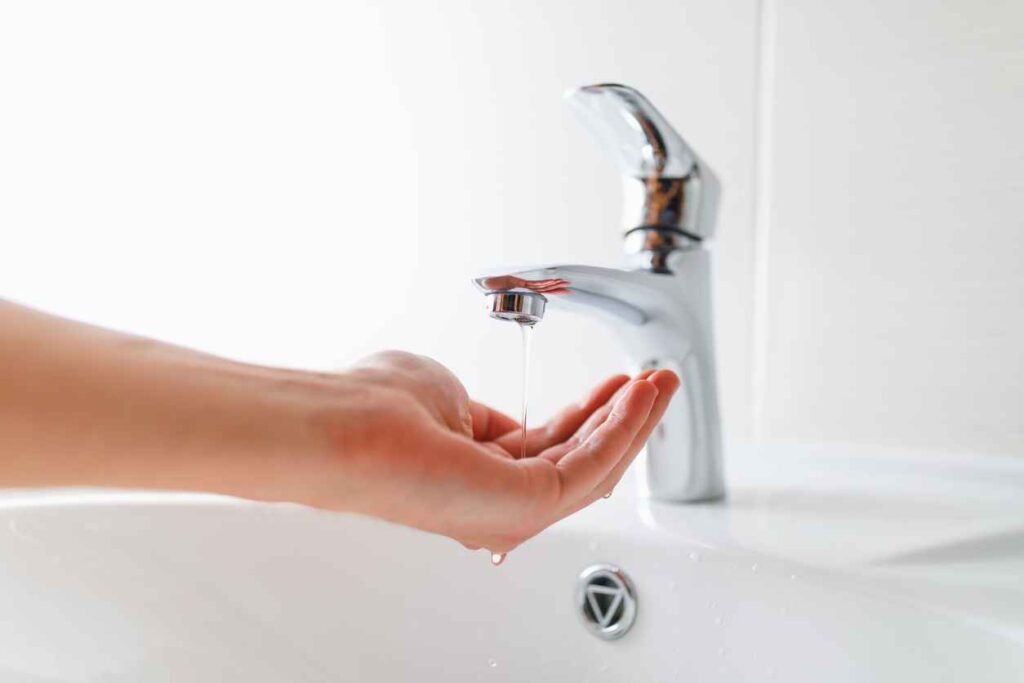
Spring in Virginia is a season of renewal. From the blooming Shenandoah Valley to the bustling neighborhoods of Roanoke and beyond, homeowners are busy transitioning their properties from the winter freeze to summer readiness. You open your windows to catch the fresh breeze, start your outdoor cleanup, turn on the faucet to wash your hands, and notice only a weak, frustrating trickle.
Low water pressure is a common springtime complaint across the Commonwealth. When multiple fixtures in your home lose their driving force simultaneously, it can disrupt your daily routine, from making showers less effective to doubling the time it takes to run a load of laundry. At Davis Heating, Cooling, Plumbing & Electric, we know that sudden shifts in water performance are rarely random. This guide explores the most frequent seasonal reasons behind spring water pressure drops and outlines the professional solutions that can restore your home to peak performance.
The Seasonal Surge: Increased Regional Demand
The arrival of warmer weather changes how our communities consume water. Sometimes, the issue is not located inside your home boundaries at all, but rather out on the municipal grid.
Spring Landscaping and Irrigation
As lawns wake up from winter dormancy, neighborhood water usage spikes dramatically.
- Sprinkler Systems: Automated irrigation systems often kick on in the early morning hours, drawing massive volumes of water from the main town or city lines.
- Garden Hose Usage: Homeowners washing cars, power washing siding, and filling backyard pools place a heavy, simultaneous strain on regional infrastructure.
- The Pressure Drop: If your municipal water main is working overtime to feed an entire subdivision of active gardeners, the pressure reaching your individual water meter can experience a temporary, noticeable decline.
Winter Leftovers: Hidden Plumbing Damage
While spring brings beautiful weather, your plumbing system might still be suffering from the physical trauma of the preceding winter months. Virginia winters can feature volatile temperature drops that wreak havoc on buried or uninsulated pipelines.
The Slow Leak Scenario
When water freezes inside a pipe, it expands with incredible force. This expansion often causes copper or plastic lines to split. If the pipe is located in an unheated crawlspace, basement, or deep underground in your yard, the leak might not be immediately obvious.
- Sustained Pressure Loss: A cracked pipe allows water to escape continuously into the surrounding soil or structural voids. This constant loss of fluid volume naturally drops the delivery pressure to your indoor faucets.
- Warning Signs: Look for unusually soggy patches in your lawn, a sudden musty odor in your basement, or an unexpected spike in your monthly utility statement despite normal indoor habits.
Main Shut-Off Valve Positions
During the winter, many homeowners partially or fully close their main water shut-off valves or outdoor spigot valves to prevent freezing disasters.
- The Restricted Gate: If a valve was not reopened completely in the spring, it acts as a bottleneck.
- Mechanical Failure: Older gate valves can suffer from internal corrosion. The handle might spin freely, making you think the valve is wide open, while the internal gate remains partially dropped and blocks the incoming flow.
Water Quality and Filament Buildup
The physical composition of Virginia water varies widely by region, but spring rains can introduce unique geological shifts that impact your piping network.
Silt and Sediment Infiltration
Heavy spring downpours cause significant groundwater movement and soil saturation. For homeowners who rely on a private well system, this seasonal shift can introduce extra debris into the plumbing stream.
- Clogged Filtration Systems: If your home utilizes a whole-house sediment filter or a water softener, the influx of spring silt can quickly overload the media or cartridge, creating a severe physical restriction that tanks your indoor water pressure.
- Aerator Blockages: Sometimes, the pressure drop is isolated to a few specific faucets. Tiny screens called aerators sit at the tip of your spout. Over time, dislodged pipe scale and sediment collect behind these screens, choking the flow.
Mineral Scale and Hard Water
Virginia clay and limestone deposits mean that hard water is a widespread reality.
- Galvanized Pipe Calcification: In older homes with legacy galvanized iron pipes, mineral scale bonds to the rusty interior walls. Over time, the internal diameter of the pipe narrows to the size of a drinking straw. When demand increases in the spring, these choked lines simply cannot carry enough volume to maintain acceptable pressure.
Private Well System Complications
If your property is not connected to a municipal water supply, your spring pressure issues are likely tied directly to your well pump and pressure tank mechanics.
The Pressure Switch Adjustment
Your well system relies on a mechanical pressure switch to tell the pump when to turn on and off. Standard settings are typically 30/50 or 40/60 pounds per square inch (psi).
- Insect Infestation: During early spring, ants and other small insects frequently crawl into the warm electrical housing of the pressure switch. Their bodies can wedge between the electrical contacts, preventing the switch from closing and cutting power to the pump entirely.
- Corroded Contacts: High humidity and seasonal moisture can cause the silver contacts to pit or rust, leading to erratic pump performance and severe pressure drops.
Bladder Failure in the Pressure Tank
The heavy blue tank in your basement or utility closet holds a pressurized air bladder that keeps your water flowing smoothly without forcing the well pump to run constantly.
- Waterlogging: If the internal rubber bladder ruptures, the tank fills entirely with water, losing its compressible air pocket.
- Short-Cycling: A waterlogged tank causes the well pump to turn on and off rapidly every time you open a faucet. This creates highly erratic, pulsing water pressure and will quickly burn out your expensive submersible pump motor.
Professional Steps to Restore Your Flow
Fixing low water pressure requires a systematic diagnostic approach. At Davis Heating, Cooling, Plumbing & Electric, our licensed plumbers utilize advanced testing tools to pinpoint the exact failure point without invasive guesswork.
- Pressure Gauge Testing: We measure the static and dynamic psi at multiple points in your home to determine if the loss is coming from the utility street connection or internal piping.
- Thermal Imaging Leak Detection: If a hidden winter leak is suspected, we use high-tech infrared cameras to locate moisture signatures behind walls and under floors without tearing up your drywall.
- Well System Tuning: We check the air charge of your pressure tank, clean out electrical switch contacts, and verify that your pump is pulling the correct electrical amperage.
- Water Quality Solutions: If sediment or hard water scale is the culprit, we can install high-capacity filtration systems or discuss non-destructive repiping options to bypass old, calcified lines.
Get Your Plumbing Ready for Summer
Low water pressure is not something you have to tolerate as part of seasonal living. Whether the root cause is a simple valve adjustment, a clogged spring filter, or a hidden winter pipe break, addressing the issue early protects your home infrastructure and ensures your household runs efficiently ahead of the peak summer months.
Davis Heating, Cooling, Plumbing & Electric has been the trusted name for home comfort across Virginia for years. We stand by our work with upfront transparency, flat-rate pricing, and a commitment to absolute customer satisfaction.
Do not spend another day dealing with weak showers or slow-filling appliances. Contact our team today to schedule your plumbing service and restore strong, reliable flow to every faucet in your home.
