

Every home is filled with small details that go unnoticed until you need them. Outlets are a perfect example. They sit quietly against the wall, often hidden behind furniture, blending into the background of kitchens, bathrooms, and living rooms. Yet the moment you need to power an appliance, charge a phone, or run the dishwasher, those outlets suddenly become essential.
What many homeowners don’t realize is that not all outlets serve the same purpose. Some are designed to protect against electrical shock, while others are built to reduce the risk of fire. Understanding GFCI vs. AFCI outlets can make a big difference in protecting your family and your property.
So, what’s the difference between AFCI and GFCI outlets? And which is better, GFCI or AFCI? Let’s walk through the details in a way that makes sense.
What Is a GFCI Outlet?
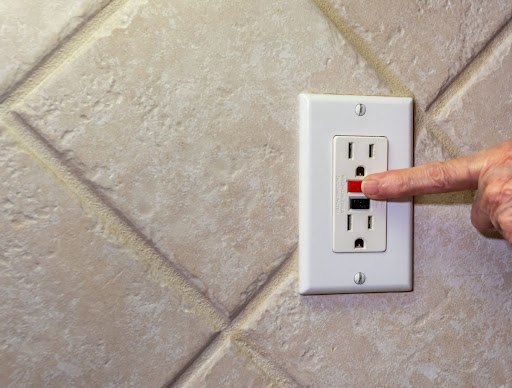
A GFCI, or Ground Fault Circuit Interrupter, is designed to protect people from electrical shock. It monitors the electric current flowing into and out of the outlet. If the outlet detects even a small imbalance, it quickly shuts off the power before that current can cause harm.
You’ll recognize GFCI outlets by their “test” and “reset” buttons. These are often found in spaces where water and electricity can cross paths, such as bathrooms, kitchens, laundry rooms, and garages. Imagine using a hair dryer near the bathroom sink or plugging in a blender next to running water. Without GFCI protection, a small mistake could become a serious hazard. With it, the outlet shuts down instantly, making your home much safer.
What Is an AFCI Outlet?
An AFCI, or Arc Fault Circuit Interrupter, protects your home differently. While GFCIs focus on shock hazards, AFCIs focus on fire risks. An arc fault occurs when electricity sparks between damaged or loose wires. These sparks might not trip a standard circuit breaker, but they can generate enough heat to ignite nearby materials.
Bedrooms, living rooms, and dining rooms often rely on AFCI protection. These are spaces filled with lighting, electronics, and long runs of electrical wiring hidden behind the walls. An AFCI detects irregular patterns in the electric current that suggest an arc is happening. Once it does, it shuts the circuit down before heat builds into a fire.
Understanding GFCI vs. AFCI Outlets
The best way to understand GFCI vs. AFCI outlets is to remember the role each plays:
- GFCI outlets protect people from shock hazards.
- AFCI outlets protect homes from fire hazards.
Both are vital in a modern home, and in many cases, electrical codes require them. If you’ve been wondering about the difference between AFCI and GFCI outlets, the answer comes down to the type of danger each one is designed to prevent.
How to Tell if an Outlet Is AFCI or GFCI
Not sure which outlets you already have? Here are a few simple steps on how to tell if an outlet is AFCI or GFCI:
- Check for Buttons: GFCI outlets usually have “test” and “reset” buttons on the outlet face.
- Inspect the Electrical Panel: Many AFCIs are located at the circuit breaker level. Your panel may be labeled with “AFCI.”
- Ask a Professional: A licensed electrician can confirm which protections you already have and recommend upgrades if needed.
Correct identification is important because replacing or retrofitting requires the right device in the right location to meet the National Electrical Code. If you are unsure which outlets you have, don’t hesitate to call our electricians in Danville, Roanoke, Smith Mountain Lake, and Salem, VA.
Which Is Better, GFCI or AFCI?
The truth is that one is not better than the other. These outlets are designed for different situations. GFCIs keep people safe from shocks, while AFCIs reduce the chance of electrical fires.
Think of them as two parts of a complete safety system. Just like a smoke detector works together with a fire extinguisher, GFCI vs. AFCI outlets work best as a team. A home that includes both protections is far safer than one relying on only one type.
Everyday Examples of Outlet Protection
To make it more practical, here’s how GFCIs and AFCIs play a role in daily life:
- Kitchen: GFCIs protect against electrical shock when water splashes near the sink.
- Bedroom: AFCIs reduce the risk of fire from a damaged lamp cord under a rug.
- Bathroom: GFCIs stop power the moment an electrical fault meets water.
- Living Room: AFCIs guard against wiring problems that can develop over time with heavy use of electronics.
- Garage: Power tools and extension cords combined with water can be dangerous. GFCIs reduce that risk.
Retrofitting Older Homes With GFCI and AFCI Outlets
If your home is more than a few decades old, it may not have modern GFCI and AFCI protection. During construction in earlier years, these devices were not required by code. Today, they’re mandatory in many areas.
Upgrading older homes with GFCI and AFCI outlets significantly reduces risk. It can also benefit insurance coverage, since many insurers prefer or even require up-to-date fire and shock protection. Retrofitting may involve replacing outlets, updating the circuit breaker, or adding protection for major appliances such as a refrigerator, dishwasher, or air conditioning unit.
The investment improves overall safety and may protect your family from serious hazards like fires, shocks, and property damage.
How to Tell if You Need an Upgrade
Here are a few signs that it may be time to consider adding or replacing outlets:
- Missing Buttons in Bathrooms or Kitchens: If your outlets near sinks or showers don’t have “test” and “reset” buttons, they may not be GFCIs.
- Old Outlets in Bedrooms or Living Rooms: Homes without AFCIs in high-use rooms could be at higher fire risk.
- Tripping Circuit Breakers: Frequent trips might suggest electrical faults that modern outlets could detect more effectively.
- Home Renovations or Additions: New construction requires outlets that meet current code standards.
An outlet inspection is a small step that can prevent much larger problems down the line.
Safety Starts With the Right Team
Outlets may look simple, but understanding GFCI vs. AFCI outlets is a smart step toward protecting your home. Once you know what the differences are, you can make better decisions about upgrades and safety checks. And if you’re wondering which is better, GFCI or AFCI, the answer is simple: both.
Since 1947, Davis Heating, Cooling, Plumbing & Electric has been helping families across Southside VA stay safe and comfortable. We’ve built a reputation on doing things the right way, not the easy way, and that shows in how we train our technicians, adopt new technology, and treat every customer with respect. Whether you need an outlet inspected, an electrical fault repaired, or are considering a generator installation in Roanoke, our team is ready to help.
Schedule a service with us today and get the peace of mind that your home’s electrical system is as safe as it can be!
