
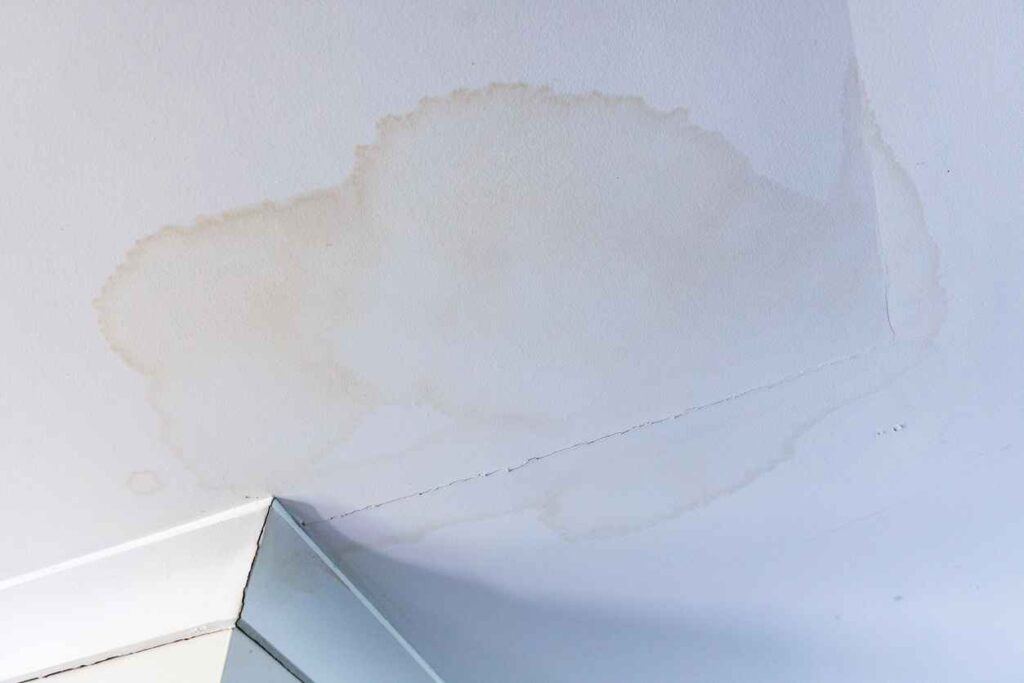

For many homeowners in the Roanoke Valley and across Southwest Virginia, the most dangerous plumbing problems are not the ones that announce themselves with a geyser in the kitchen. The real threats are the quiet, slow leaks hidden behind drywall, under floorboards, or beneath the concrete slab of your foundation. These silent leaks can go unnoticed for months, causing structural rot, mold growth, and massive utility bills before they are finally discovered.
At Davis Heating, Cooling, Plumbing & Electric, we have seen how the varied geography of our region affects residential plumbing. From the historic homes near Grandin Village to the newer builds in Botetourt County, every house is susceptible to the slow wear and tear of aging pipes and shifting Appalachian soil. Identifying these hidden leaks early is the only way to protect your property and your wallet.
In this guide, we will walk you through the subtle indicators that your home is losing water. If you notice even one of these red flags, it is time to take action before a small drip becomes a major disaster.
An Unexplained Spike in Your Water Bill
The most reliable diagnostic tool for a hidden leak is your monthly water bill from the Western Virginia Water Authority or your local municipality. Most families have a very consistent water usage pattern from month to month.
If you notice a sudden jump in your bill but your habits have not changed, you almost certainly have a leak.
- The Math: A leak as small as the tip of a pencil can waste thousands of gallons of water in a single month.
- The Comparison: Compare your current bill to the same month from the previous year. If the usage is significantly higher and you have not filled a pool or hosted a large group of guests, the water is likely escaping somewhere inside your walls or underground.
The Silent Meter Test
If you suspect a leak but cannot see any water, you can use your water meter to confirm your suspicions.
- The Process: Ensure every faucet, showerhead, dishwasher, and washing machine in your home is turned off. Locate your water meter, which is usually found in a box near the street or in your basement.
- The Observation: Check the small leak indicator dial, which is often a tiny triangle or star that spins when water is moving. If that dial is turning while everything in the house is off, you have a leak.
- The Timing: If the meter does not show immediate movement, write down the current reading and wait two hours without using any water. If the number has changed when you return, you have a slow, persistent leak.
Changes in Wall and Ceiling Texture
Water follows the path of least resistance. When a pipe leaks inside a wall or between floors, the moisture will eventually reach the drywall or plaster.
- Discoloration: Look for tea-colored stains on your ceiling or walls. These yellowish or brown rings are a classic sign of a slow drip from an overhead pipe.
- Bubbling and Peeling: When drywall becomes saturated, the paint or wallpaper will lose its adhesion. If you see paint that looks like it is blistering or wallpaper that is peeling away at the seams, there is moisture trapped behind it.
- Sagging Ceilings: If a ceiling feels soft to the touch or appears to be sagging downward, it is holding a significant amount of water weight. This is a plumbing emergency that requires immediate professional attention to prevent a ceiling collapse.
Persistent Musty Odors
Southwest Virginia can be humid, but your home should not smell like a damp basement in the middle of your living room.
Hidden leaks create the perfect environment for mold and mildew to thrive in dark, unventilated spaces like wall cavities. If you notice a persistent earthy or musty smell that does not go away with cleaning or opening windows, it is often a sign that water is feeding a mold colony behind your baseboards or under your cabinets.
This is more than just an aesthetic problem. Mold spores can significantly impact the indoor air quality of your home, leading to respiratory issues for sensitive family members.
The Mystery of the Warm Spot on the Floor
If you live in a home built on a concrete slab, a hidden leak can occur in the pipes buried beneath the house. This is known as a slab leak.
One of the strangest signs of a slab leak is a hot spot on your floor. If you are walking barefoot and notice a specific patch of tile or laminate that feels warm to the touch, you likely have a leak in your hot water line beneath the concrete. The escaping hot water heats the slab, which then transfers that heat to your flooring. You might also notice your water heater running constantly as it tries to keep up with the water escaping through the floor.
Unusual Sounds in the Walls
When the house is quiet at night, listen to your plumbing. A home in good repair should be silent when no faucets are running.
- Hissing or Whistling: A high-pitched hissing sound often indicates a pinhole leak in a pressurized copper pipe.
- Dripping or Splashing: If you hear the distinct sound of water hitting a surface inside a wall after someone has used the shower or flushed a toilet, you likely have a leak in a drain line.
- Rushing Water: If it sounds like a faucet is running somewhere in the distance but every tap is closed, you are likely hearing water rushing out of a broken main line.
Why Southwest Virginia Geography Matters
The soil in our part of the state is often rich in clay, which expands and contracts significantly based on the moisture level. During our wet springs and dry summers, this soil movement can put immense pressure on the pipes entering your home.
Furthermore, many homes in Roanoke and Salem still feature older galvanized steel or cast iron pipes. These materials are prone to internal corrosion over several decades. Once a pipe begins to rust from the inside out, it is only a matter of time before a hidden pinhole leak develops.
How Davis Heating, Cooling, Plumbing & Electric Can Help
At Davis, we use non-invasive technology to find leaks without tearing your home apart. We understand that the only thing more stressful than a leak is the fear of the repair process.
Our team uses thermal imaging cameras to see temperature differences behind walls and acoustic listening devices to pinpoint the exact location of a leak under a concrete slab. By finding the precise source of the problem, we can perform targeted repairs that save you time, money, and property damage.
Trust Your Instincts
When it comes to your home, you are the first line of defense. If something feels off, whether it is a strange smell, a slightly higher bill, or a soft spot on the floor, do not ignore it. Hidden leaks do not fix themselves; they only grow more expensive and destructive over time.
Protecting your Southwest Virginia home means being proactive and choosing a partner who knows the local challenges.
Contact Davis Heating, Cooling, Plumbing & Electric today to schedule a professional leak detection service and get the peace of mind that comes with a dry, healthy home.
