
In Southern Virginia, a cold snap can transform a cozy home into a frigid environment in a matter of hours. Whether you are in Roanoke, Rocky Mount, or Danville, the drop in temperature during a Virginia winter is not just a comfort issue; it is a race against time to protect your family and your home’s infrastructure. When the furnace stops humming or the heat pump fails during a freeze, knowing exactly what to do can prevent a stressful situation from turning into a plumbing or safety disaster.
At Davis Heating, Cooling, Plumbing & Electric, we have been the region’s trusted comfort partner since 1947. We know that a heating failure during a Southside cold snap is a true emergency. This guide provides a step-by-step protocol for what to do when your heat goes out, how to stay warm safely, and how to protect your pipes while you wait for a professional to arrive.
Step 1: Immediate Troubleshooting
Before you assume the worst, there are a few simple checks that can sometimes bring your system back to life. In the chaos of a cold snap, small issues are easy to overlook.
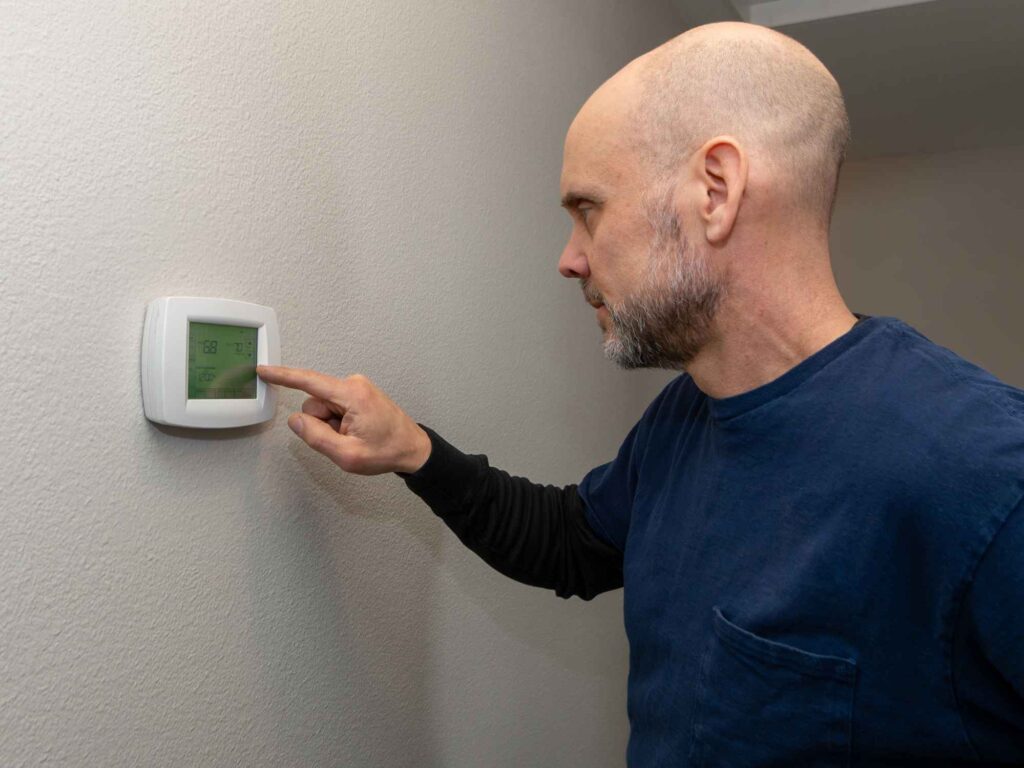
- Check the Thermostat: Ensure it is set to “Heat” and that the temperature is set higher than the current room temperature. If the screen is blank, try replacing the batteries.
- Inspect the Breaker Panel: A sudden surge during a storm can trip the circuit breaker for your HVAC system. Locate your electrical panel and check for any switches that are in the “off” position or stuck in the middle.
- Verify the Air Filter: A severely clogged filter can cause a furnace to overheat and shut down as a safety precaution. If the filter is caked in dust, replace it immediately and see if the system resets.
- Look at the Outdoor Unit: If you have a heat pump, check to see if it is encased in a thick shell of ice or blocked by snow. Gently clear away any debris or snow to restore airflow, but never use a sharp tool or hot water to melt ice.
Step 2: Conserve Every Bit of Heat
Once you have confirmed that the system is truly down, your home becomes a thermal container. Your goal is to stop the “leak” of warm air to the outdoors.
The “One-Room” Strategy
Pick a single room in the house to act as your sanctuary. Ideally, this should be a room with southern exposure to catch the daytime sun and as few windows as possible. Gather the family, pets, and plenty of blankets into this space. By closing the doors to the rest of the house, your collective body heat will help maintain a higher temperature in that localized area.
Seal the Gaps
Drafts are the biggest enemy of a cold house. Place rolled-up towels or heavy blankets at the base of exterior doors. If you have drafty windows, close the curtains or tape plastic sheeting over them. Even a layer of bubble wrap against the glass can act as a surprisingly effective insulator.
Step 3: Prevent Frozen Pipes
In Southern Virginia, plumbing is often the first thing to fail after the heat goes out. When the air inside your walls drops below freezing, the water inside your pipes expands as it turns to ice, which can lead to thousands of dollars in water damage.
- The Drip Method: Turn on your faucets to a very slow, steady drip. Moving water is much harder to freeze than standing water. Focus on faucets that are located on exterior walls.
- Open Cabinet Doors: Keep the doors under your kitchen and bathroom sinks open. This allows the remaining ambient heat in the house to circulate around the plumbing.
- Locate the Main Shut-Off: Make sure everyone in your household knows where the main water shut-off valve is located. If a pipe does burst as it thaws, you need to be able to stop the flow of water instantly.
Step 4: Safety First with Alternative Heat
Many homeowners reach for portable heaters or fireplaces when the central heat fails. While these are excellent tools, they must be used with extreme caution to avoid fire or carbon monoxide (CO) poisoning.
The Dangers of “Improvised” Heat
Never use a gas oven, charcoal grill, or propane camping stove to heat your home. These devices produce lethal amounts of odorless, colorless carbon monoxide.
- Space Heater Safety: If you use an electric space heater, keep it at least three feet away from curtains, bedding, and furniture. Always plug it directly into a wall outlet rather than an extension cord to prevent overheating.
- Generator Placement: If you have a portable generator, keep it at least 20 feet away from the house. Never run a generator in a garage, even with the door open, as fumes can seep into the living spaces.
- Fireplace Caution: Only use a fireplace if it has been professionally cleaned and inspected. Ensure the damper is open and that you have a working carbon monoxide detector nearby.
Step 5: Call in the Professionals
When the temperature is below freezing, a “no-heat” situation is a high-priority emergency. You should not wait until morning to call for help if your home is rapidly cooling.
At Davis Heating, Cooling, Plumbing & Electrical, we offer 24/7 emergency services throughout Roanoke and Southside Virginia. Our technicians are trained to diagnose all makes and models of furnaces, boilers, and heat pumps. We arrive with fully stocked trucks to handle the most common repairs on the spot, ensuring your home is back to its coziest as quickly as possible.
Restore Your Comfort with Davis Heating, Cooling, Plumbing & Electric
Is your home losing the battle against the cold? Do not wait for the temperature to drop further. The experts at Davis Heating, Cooling, Plumbing & Electric are standing by 24/7 to get your heat back on and your home safe. From emergency HVAC diagnostics to plumbing protection, we provide the fast, friendly service Southside Virginia has relied on for generations.
Contact us at the first sign of trouble and let our family take care of yours.
