
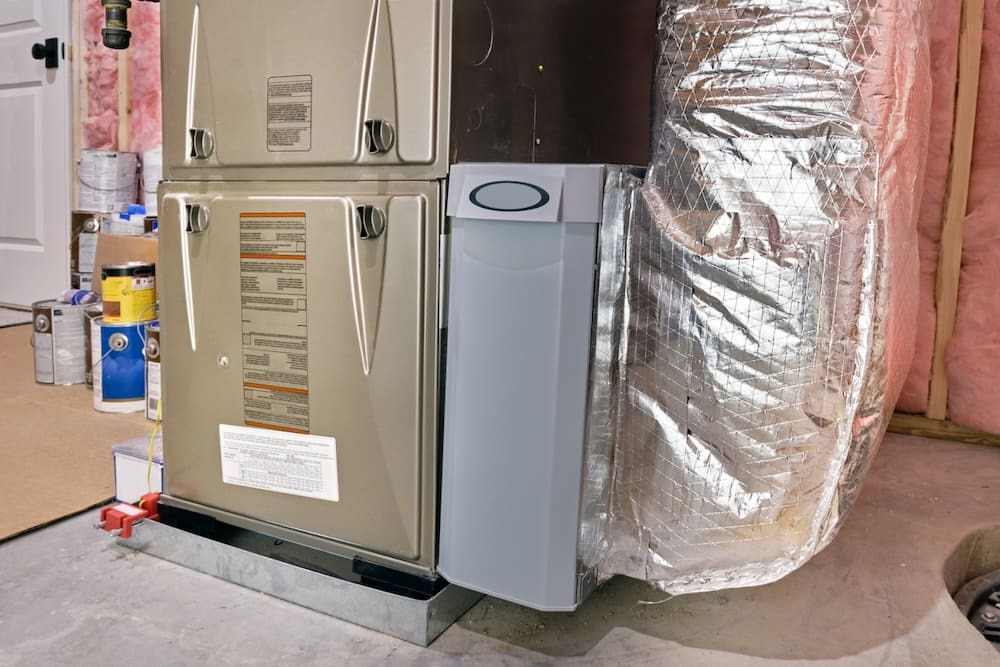
Your furnace plays an important role in keeping your Virginia home comfortable when temperatures fall. But like any mechanical system, a furnace will eventually reach a point when continued repairs may no longer be the best approach.
So, how long do furnaces last? Many furnaces can operate for roughly 15 to 20 years, but there is no universal expiration date. Maintenance, installation, usage, equipment quality, and repair history can all affect how long a particular system remains reliable. Instead of replacing a furnace based on age alone, Virginia homeowners should consider its overall condition, performance, safety, and repair needs.
How Long Does a Furnace Typically Last?
A furnace may last approximately 15 to 20 years, although actual service life varies significantly from one system to another. Some furnaces require replacement sooner, while others may continue operating beyond that range.
Furnace age is best used as a planning guideline rather than a strict replacement deadline.
Two 15-year-old furnaces can be in very different condition. One may have received consistent maintenance and needed few repairs, while another may have experienced repeated component failures or other operating problems.
For that reason, an HVAC technician should evaluate the entire system before recommending repair or replacement.
What Affects Furnace Lifespan in Virginia?
Several factors can influence how long a furnace continues operating reliably.
Maintenance History
Regular furnace maintenance gives an HVAC technician an opportunity to inspect operating and safety components and identify developing problems.
Homeowner maintenance matters too. Replacing or cleaning the air filter as appropriate helps maintain proper airflow through the system.
Maintenance cannot guarantee that a furnace will reach a particular age, but it can help the equipment operate as intended and identify problems before they become more serious.
Installation Quality
Proper installation can affect furnace performance from the beginning.
Equipment sizing, airflow, duct connections, venting, electrical connections, and other installation details can influence how a heating system operates. A furnace that is poorly sized or installed may experience performance problems even if the equipment itself is relatively new.
How Much the Furnace Runs
Virginia heating needs vary based on winter weather, home location, insulation, thermostat settings, household preferences, and building efficiency.
A furnace that operates frequently experiences more cycles and operating hours than one used less often. Over many years, differences in usage can contribute to differences in component wear.
Repair and Operating History
Consider what the furnace has required throughout its life.
An older system that has needed few repairs may present a different situation from one experiencing repeated breakdowns. Increasing repair frequency can be an important factor when evaluating an aging furnace.
7 Signs It May Be Time to Replace Your Furnace
No single symptom automatically means you need a new furnace. However, several signs together may indicate that replacement is worth discussing.
1. Your Furnace Is Approaching 15 to 20 Years Old
As a furnace approaches the later portion of its typical service life, it makes sense to pay closer attention to its condition.
That does not mean replacing a properly operating furnace on its 15th birthday. Instead, age provides useful context when repairs or performance problems begin appearing.
2. Furnace Repairs Are Becoming More Frequent
An occasional repair can be normal during the life of heating equipment.
Repeated breakdowns are different. If your furnace requires service frequently or multiple components have begun failing, ask your HVAC technician about the overall condition of the system rather than evaluating each repair independently.
3. Your Furnace Needs a Major Repair
A significant component failure does not automatically require furnace replacement, but it can change the decision for an older system.
Consider the repair cost and scope along with furnace age, warranty coverage, general condition, and whether other components are also showing signs of deterioration.
A major repair may make sense for one furnace but not another.
4. Your Home Has Become Difficult to Heat Evenly
If certain rooms suddenly feel colder than others, the furnace could be part of the problem.
However, uneven heating can also result from ductwork issues, restricted airflow, insulation, thermostat problems, or characteristics of the home’s design.
Have the cause diagnosed before assuming furnace replacement will solve comfort problems.
5. Your Furnace Operates Differently Than It Used To
Changes in normal operation deserve attention.
You might notice that the furnace:
- Cycles on and off frequently
- Runs longer than it previously did
- Struggles to reach the thermostat setting
- Starts inconsistently
- Produces new or unusual noises
- Shuts down unexpectedly
Many of these problems can sometimes be repaired, so professional diagnosis should come before a replacement decision.
6. Your Heating Energy Use Has Increased
An unexplained increase in energy consumption may indicate that your HVAC system is not operating as efficiently as it once did.
When comparing bills, look at actual fuel or electricity usage rather than only the amount you paid. Energy rates and weather conditions can change significantly between billing periods.
Higher usage does not prove that the furnace needs replacement. It is simply another reason to have the system evaluated if no other explanation is apparent.
7. Your Furnace Has a Safety-Related Problem
Certain combustion, venting, electrical, or other safety problems require prompt professional attention.
For fuel-burning furnaces, technicians can inspect components such as the heat exchanger and combustion system when appropriate. Homeowners should not attempt to inspect, repair, or diagnose these internal components themselves.
Depending on the specific problem, equipment condition, and available repair options, a serious safety issue may influence whether repair or replacement is appropriate.
What Furnace Noises Can Signal a Problem?
A furnace does not have to operate silently, but new or unusually loud noises should not be ignored.
Banging, grinding, screeching, persistent rattling, or buzzing can indicate a variety of mechanical or electrical problems.
A noise alone cannot tell you whether a furnace needs replacement. Some causes may be relatively straightforward to repair, while others could involve more significant components.
If the sound is new or worsening, schedule an inspection.
Should You Repair or Replace an Older Furnace?
When deciding whether to repair or replace a furnace, look at the system as a whole.
Consider:
- Furnace age
- Type and cost of the current repair
- Previous repair history
- Warranty coverage
- Overall equipment condition
- Heating performance
- Energy consumption
- Reliability
- Future plans for the home
Avoid relying on a single repair-cost formula. Every HVAC system and household situation is different.
Should You Replace a Furnace Before It Completely Fails?
You do not necessarily need to replace a working furnace simply because it is old. However, planning ahead can be useful when an aging furnace is becoming less reliable.
Waiting for complete failure could mean making a replacement decision during a cold Virginia winter when restoring heat quickly becomes the priority.
Planning in advance gives you more time to evaluate equipment options, ask questions, and determine which system is appropriate for your home.
Can Maintenance Help an Older Furnace Last Longer?
Professional maintenance can help an older furnace continue operating as intended and may identify developing problems before they cause a breakdown.
Depending on the system, a furnace maintenance visit may involve inspecting appropriate electrical, combustion, airflow, control, blower, and safety components.
Maintenance cannot reverse normal deterioration or guarantee that an older furnace will continue operating for a specific number of years. It can, however, provide valuable information about the equipment’s current condition.
Do You Need to Replace Your AC When Replacing a Furnace?
Not always.
Furnaces and central air conditioners often share indoor HVAC components, but that does not mean both systems automatically need replacement at the same time.
An HVAC professional can consider your air conditioner’s age and condition, equipment compatibility, efficiency goals, and the requirements of the new heating system before making a recommendation.
What Should You Look for in a New Furnace?
If replacement becomes the appropriate choice, equipment selection matters.
Proper Furnace Sizing
A larger furnace is not automatically better. The new system should be selected based on the heating requirements of the home rather than simply copying the capacity of old equipment without evaluation.
Furnace Efficiency
Furnace efficiency is commonly represented by AFUE, or Annual Fuel Utilization Efficiency.
Higher-efficiency equipment can reduce fuel consumption compared with less-efficient equipment under appropriate conditions, but actual savings vary based on the home, weather, energy costs, usage, and existing furnace.
HVAC System Compatibility
The new furnace needs to work properly with the home’s ductwork, thermostat, air conditioning equipment, and other applicable HVAC components.
Know When It’s Time for Furnace Replacement With Davis
A furnace lasting 15 to 20 years is a useful general guideline, but age alone should not determine when you replace your heating system.
Repair frequency, safety, reliability, energy use, comfort, and overall furnace condition provide a more complete picture.
If your older furnace is becoming unreliable or you are unsure whether another repair makes sense, contact Davis for professional furnace inspection, repair, maintenance, and replacement services in Virginia. A thorough evaluation can help you determine the appropriate next step for your home and heating system.
