
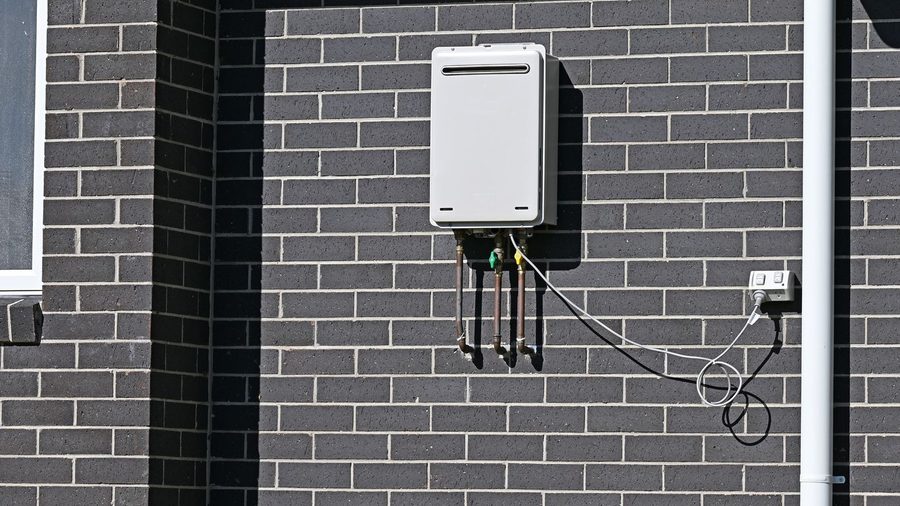
Tankless water heaters are popular with homeowners who want on-demand hot water without keeping a storage tank heated around the clock. However, there is an important factor that can affect tankless water heater performance throughout the year: the temperature of the water entering the unit.
In Virginia, incoming cold-water temperatures can change with seasonal conditions. When that incoming water is colder, a tankless water heater must produce a greater temperature increase to deliver hot water at the desired temperature. That does not mean tankless water heaters are a poor choice for Virginia homes. It means proper sizing is essential for reliable performance throughout the year.
Does Groundwater Temperature Affect a Tankless Water Heater?
Yes. Incoming water temperature directly affects how much heating a tankless water heater must provide.
Unlike a storage water heater, which maintains a tank of heated water, a tankless system heats water as it passes through the unit. When colder water enters the system, the heater needs to add more heat to reach the desired outlet temperature.
As the required temperature rise increases, the amount of hot water a particular tankless unit can deliver per minute may decrease. This relationship between temperature rise and flow rate is one of the most important considerations when sizing a tankless water heater.
How Does a Tankless Water Heater Work?
When someone opens a hot water fixture, cold water enters the tankless unit. The system detects the flow and activates its heating components. Water passes through a heat exchanger, where its temperature is raised before it travels to the fixture.
When hot water demand stops, the unit stops heating.
Because there is no large storage tank, tankless water heaters avoid the standby energy associated with maintaining a tank of hot water. They can also provide long-duration hot water as long as household demand remains within the unit’s operating capacity.
Why Flow Rate Matters
Tankless water heater capacity is commonly expressed in gallons per minute, or GPM.
However, a unit’s maximum advertised GPM does not necessarily represent the amount of hot water it can provide under every condition. Available flow depends partly on how many degrees the incoming water must be heated.
That is why homeowners should consider both GPM and temperature rise when comparing tankless systems.
What Is Temperature Rise in a Tankless Water Heater?
Temperature rise is the difference between the temperature of the incoming water and the desired hot water temperature.
The basic calculation is:
Desired outlet temperature – incoming water temperature = required temperature rise
For example, suppose water enters the heater at 60°F and the desired outlet temperature is 120°F. The tankless unit must provide a 60°F temperature rise.
If incoming water instead reaches the unit at 45°F, producing 120°F water requires a 75°F temperature rise.
The second scenario requires the water heater to add more heat to every gallon of water passing through it. Depending on the unit’s heating capacity, that can reduce how many gallons per minute it can deliver at the desired temperature.
How Do Virginia’s Seasonal Temperatures Affect Incoming Water?
The temperature of water entering a Virginia home is not necessarily identical throughout the year. Seasonal conditions can influence incoming water temperatures, although the actual temperature depends on factors such as location, water source, utility infrastructure, pipe depth, and weather patterns.
There is no single incoming water temperature that applies to every Virginia home.
What matters for tankless water heater sizing is accounting for the colder conditions the system is reasonably expected to encounter.
Colder Water Means a Greater Heating Demand
When incoming water becomes colder, the tankless system needs to produce a larger temperature rise.
A properly sized unit should be selected with these colder conditions in mind. Otherwise, a system that appears to provide plenty of capacity during warmer periods could struggle when the incoming water temperature falls.
Why Might a Tankless Water Heater Perform Differently in Winter?
If you notice changes in tankless water heater performance during colder weather, incoming water temperature may be one factor.
A tankless system has a finite heating capacity. When the required temperature rise becomes greater, its maximum hot water flow at the desired temperature can decrease.
Simultaneous Hot Water Use Matters
Imagine someone is taking a shower while another person uses a hot water faucet and the dishwasher is operating. Each fixture contributes to the home’s total hot water demand.
If that combined flow exceeds what the tankless unit can heat under current conditions, the system may struggle to maintain the desired temperature.
The issue may become more noticeable in colder months because the heater must work harder on each gallon of incoming water.
This does not automatically mean the water heater is malfunctioning. However, persistent or significant performance changes should be professionally evaluated.
Can a Tankless Water Heater Run Out of Hot Water?
Tankless water heaters do not run out of stored hot water in the same way traditional tank water heaters can. Instead, they have limits on how much water they can heat at one time.
As long as demand remains within the unit’s rated capacity, a tankless system can continue producing hot water.
If several fixtures create more demand than the system can handle, however, it may not maintain the desired temperature at every fixture.
This distinction is important. Tankless does not mean unlimited hot water at unlimited flow. It means hot water is heated on demand within the equipment’s capacity.
Why Proper Tankless Water Heater Sizing Matters in Virginia
Correct sizing is one of the most important factors in reliable tankless performance.
A tankless water heater should be sized according to the required temperature rise and the home’s peak simultaneous hot water demand.
Calculate Peak Hot Water Demand
Rather than focusing on how much water your household uses during an entire day, consider what might operate at the same time.
That could include:
- Multiple showers
- Bathroom and kitchen faucets
- Dishwasher
- Washing machine
- Other hot water fixtures or appliances
The combined flow rate helps determine the capacity the tankless system needs.
Use Performance Data at the Required Temperature Rise
Manufacturers provide performance information showing how much flow a unit can support at different temperature rises.
This is more useful than looking only at the largest GPM number advertised for a unit.
For a Virginia home, professional sizing should consider realistic colder incoming water conditions along with the household’s peak demand.
What Size Tankless Water Heater Does a Virginia Home Need?
There is no universal tankless water heater size that is right for every Virginia home.
Proper sizing depends on factors including:
- Incoming water temperature
- Desired hot water temperature
- Number of bathrooms
- Household size
- Simultaneous hot water use
- Fixture flow rates
- Fuel or electrical capacity
- Household usage habits
Square footage alone is not enough to properly size a tankless water heater.
A smaller household with several high-flow fixtures may have different needs than a larger home where hot water use is rarely simultaneous.
Gas vs. Electric Tankless Water Heaters
Both gas and electric tankless water heaters can provide on-demand hot water, but their installation and capacity requirements differ.
Gas Tankless Water Heaters
Gas models are available in a range of heating capacities and may be well suited to homes with significant simultaneous hot water demand.
Installation must account for the available gas supply, venting requirements, combustion considerations, and manufacturer specifications.
Electric Tankless Water Heaters
Electric tankless systems can require substantial electrical capacity, especially when providing higher flow rates with large temperature rises.
Before installing one, the home’s electrical service and panel capacity should be evaluated to determine whether they can support the required load.
Neither option is automatically better for every Virginia home.
Can You Improve Tankless Water Heater Performance in Winter?
If an existing system is close to its maximum capacity, reducing simultaneous hot water demand may improve performance.
For example, staggering showers, dishwasher cycles, and laundry can reduce the number of gallons the heater must handle at one time.
Lower-flow fixtures can also reduce demand.
Regular maintenance matters as well. Mineral deposits can accumulate within water-heating equipment and potentially affect heat transfer or flow. Maintenance requirements depend on the equipment, manufacturer recommendations, and local water conditions.
If performance changes significantly, do not automatically assume colder incoming water is responsible. Scale buildup, installation problems, equipment faults, fuel supply issues, and other conditions may produce similar symptoms.
Does Hard Water Affect Tankless Water Heater Performance?
Hard water contains dissolved minerals that can contribute to scale buildup inside plumbing and water-heating equipment.
Over time, mineral accumulation may interfere with water flow or heat transfer in a tankless water heater.
Water quality varies throughout Virginia, so homeowners should not assume they have hard water based solely on location. Testing can provide better information about the water conditions in a particular home.
Maintenance or water treatment recommendations should be based on actual conditions and manufacturer requirements.
Should You Increase the Water Heater Temperature in Winter?
Raising the tankless water heater temperature is not an appropriate way to compensate for an undersized system.
Higher water temperatures can increase scalding risk, and increasing the set point does not solve a lack of heating capacity.
If your tankless water heater cannot maintain comfortable hot water during normal household use, have the system evaluated for sizing, maintenance, or equipment problems rather than simply increasing the temperature.
Is a Tankless Water Heater a Good Choice for Virginia Homes?
Tankless water heaters can work well in Virginia when they are properly sized for the home’s peak hot water demand and the colder incoming water temperatures the system may encounter.
The key is planning for realistic conditions rather than selecting equipment based only on its maximum advertised GPM.
A properly selected tankless system can provide on-demand hot water, eliminate storage-tank standby losses, and offer reliable performance within its rated capacity.
Get the Right Tankless Water Heater With Davis
Seasonal changes in incoming water temperature do not have to prevent a Virginia home from enjoying reliable tankless hot water. Proper sizing accounts for the temperature rise the unit needs to produce as well as how much hot water your household may use simultaneously.
Davis can help homeowners evaluate tankless water heater sizing, installation requirements, maintenance needs, and performance concerns. Whether you are considering switching to tankless or your current system seems to struggle during colder weather, a professional evaluation can help identify the right solution.
Contact Davis today to learn more about tankless water heater installation and service for your Virginia home.
