
Late spring and early summer in Virginia can catch residential climate systems entirely off guard. When a sudden, high-intensity heat wave rolls across the Roanoke Valley, Franklin County, or Southside, outdoor temperatures can instantly surge into the nineties long before the calendar officially marks the start of summer. This abrupt operational transition forces home air conditioners to move from months of total dormancy straight into high-load, twenty-four-hour cooling cycles. When a cooling network is subjected to this level of thermal shock, hidden vulnerabilities within the mechanical hardware quickly rise to the surface.
Discovering that your central air conditioner is struggling to maintain a comfortable indoor temperature during the first major heat spike of the season is an incredibly stressful experience. Many homeowners watch their indoor thermostats tick upward during the hottest part of the afternoon, unsure whether the system is experiencing a minor, correctable airflow bottleneck or an imminent mechanical failure. Operating an overtaxed cooling asset under extreme conditions without taking corrective action can lead to permanent compressor burnouts and high emergency replacement costs. Davis Heating, Cooling, Plumbing & Electric has delivered master-level home infrastructure care across Virginia communities since 1947, ensuring your home protection is backed by decades of proven field experience. This guide outlines the immediate, practical troubleshooting steps you should take when your cooling grid struggles to combat early seasonal heat waves.
Evaluating the Airflow Highway: The Primary Source of Cooling Failure
When an air conditioner fails to deliver crisp, cold air through your supply vents during a sudden heat wave, the underlying cause is frequently a physical restriction along the internal air distribution pathway. Your cooling network relies on a continuous, high-volume exchange of air to successfully transfer indoor heat energy out of your living spaces.
Critical Airway Maintenance Protocols
Before assuming your property needs a complex mechanical overhaul, executing a few basic checks along the physical airway can safely restore your system’s factory cooling capacity:
- Replacing Packed Pleated Media Filters: A dirty, dust-clogged air filter introduces immense static pressure resistance, choking off the air supply entering your indoor blower fan. Swapping out a spent filter allows your system to breathe freely, instantly dropping operational strain.
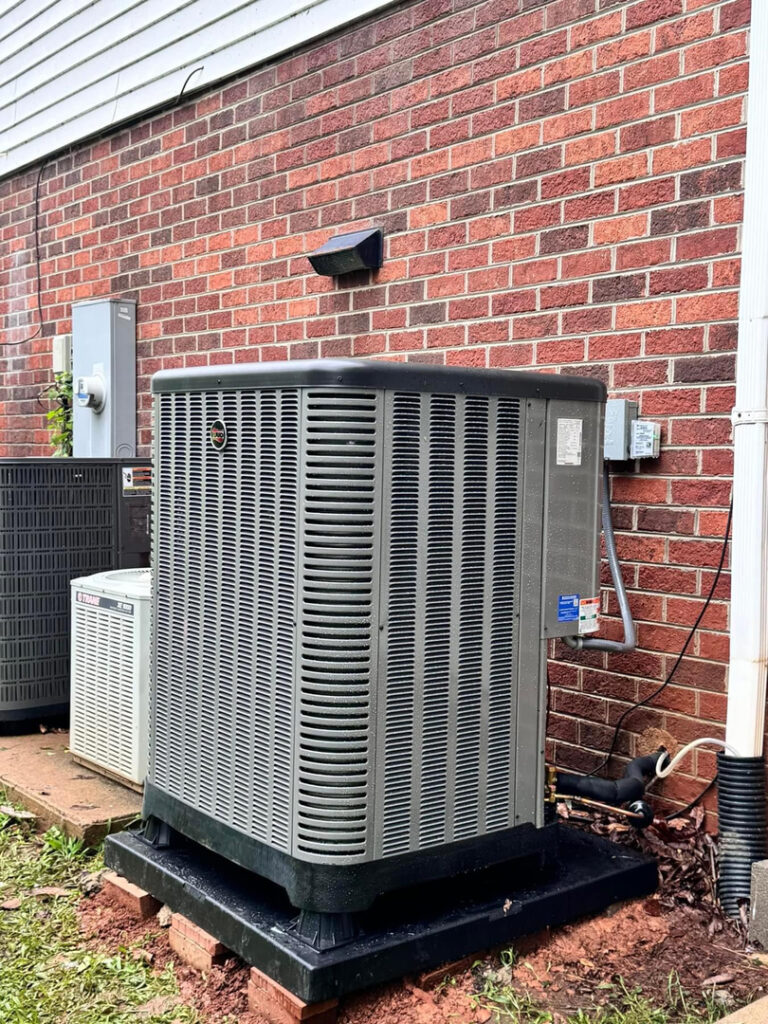
- Clearing Exterior Condenser Perimeter Zones: Over the autumn and winter months, wind-blown leaves, twigs, and overgrown spring weeds can pack tightly against your outdoor utility cabinet. Clearing a minimum two-foot open boundary around the metal fins ensures the fan can successfully exhaust heat into the surrounding air.
- Unblocking Interior Supply and Return Grilles: Homeowners often inadvertently block low-wall return grilles or floor vents with heavy decorative furniture, thick area rugs, or drapes, a practice that chokes off localized air circulation and creates hot zones across the floor plan.
- Inspecting Exposed Return Duct Seals: Leaky, unsealed duct joints running through hot attics or unconditioned crawlspaces can draw in hundreds of cubic feet of blazing, humid air, completely undermining the performance of your cooling machinery.
Technical Indicators: Differentiating Easy Fixes from Critical Failures
When basic airway maintenance fails to lower your indoor room temperatures, the issue points toward an internal mechanical or electrical component malfunction. Understanding how to interpret the physical symptoms of your outdoor condenser cabinet prevents you from accidentally running a failing system to total destruction.
Recognizing Serious Environmental Hardship Signs
Identifying operational anomalies early allows you to cut power to your climate hardware before minor component slips turn into catastrophic compressor damage:
- Thick Ice Formations on Exterior Copper Lines: Finding a layer of frost or ice coating the bare brass valves or insulated suction lines outside your home means the indoor evaporator coil has frozen solid into a solid block of ice, requiring you to turn the system completely off to thaw.
- Relentless Circuit Breaker Trips: If your main electrical service panel snaps the air conditioner circuit breaker shut the moment the outdoor unit attempts to start up, the system is experiencing a dangerous electrical short or a locked compressor rotor.
- Rapid, Repetitive System Cycles: An air conditioner that turns on and off every few minutes without cooling the space is short cycling, a highly destructive behavior often triggered by faulty thermostat wiring or high internal pressure cut-off switches.
- Loud Hissing or Shrill Screaming Sounds: High-pitched screeching noises coming directly from the outdoor cabinet indicate that internal compressor seals have failed or pressure values have hit hazardous limits, demanding immediate power shutdown.
Proactive Home Management Strategies While Waiting for Service
If your diagnostic checks confirm that your cooling system requires professional, licensed intervention to restore operational safety, your immediate priority shifts to managing your home’s internal thermal load. Taking tactical steps to shield your living spaces from solar radiation helps keep your family comfortable while protecting your property assets.
Mitigating Indoor Heat Accumulation
Implementing basic building envelope adjustments slashes the standby heat gain of your home, reducing the internal temperature baseline before an optimization team arrives:
- Deploying High-Efficiency Thermal Drapery Barriers: Direct sunlight passing through unprotected window panes acts as a high-powered radiant heater, a load minimized by closing all south and west-facing blinds, shades, and curtains.
- Postponing High-Moisture Domestic Workloads: Running dishwashers, clothes dryers, and open stove ranges during the peak heat of the afternoon pumps gallons of humid, hot air directly into your living spaces, working against your home comfort goals.
- Optimizing Strategic Ceiling Fan Rotations: Ensure all interior ceiling fans are switched to run in a counterclockwise direction, a setting that creates a crisp, downward wind-chill effect across human skin without altering actual room temperatures.
- Securing Sub-Grade Ventilation Access Zones: Keeping basement windows and lower foundation doors completely sealed blocks heavy, humid outdoor air from migrating upward through your floorboards and overloading your indoor living zones.
Securing Long-Term Performance Through Precision Care
Experiencing a cooling network breakdown during the initial wave of summer heat is a stark reminder of how much our modern households rely on stable, high-efficiency utility infrastructure. While simple steps like replacing a neglected air filter or washing away lawn debris can clear minor operational bottlenecks, resolving complex mechanical, electrical, or refrigerant issues requires specialized testing tools and certified field training. Continuing to run an air conditioner that is actively struggling, short cycling, or freezing up under heavy weather conditions will shorten the operational lifespan of your equipment and drive up monthly utility expenses. Taking a proactive approach to your home comfort infrastructure guarantees that your cooling system is fully prepared to handle the most intense seasonal weather changes with complete reliability.
Restore Comfort with Davis Heating, Cooling, Plumbing & Electric
Navigating a complex air conditioning failure demands rapid, highly disciplined field diagnostics executed by a team that understands the distinct architectural needs of Virginia homes. The licensed cooling experts at Davis Heating, Cooling, Plumbing & Electric have spent nearly eighty years delivering precision residential comfort solutions across Roanoke, Franklin County, Southside, and surrounding communities. As a trusted regional authority since 1947, our technicians provide transparent assessments, upfront pricing models, and meticulous workmanship on every service call, from fast emergency diagnostic repairs to complete high-efficiency system modernizations.
Contact us today to schedule a cooling tune-up and protect your home’s environment.
